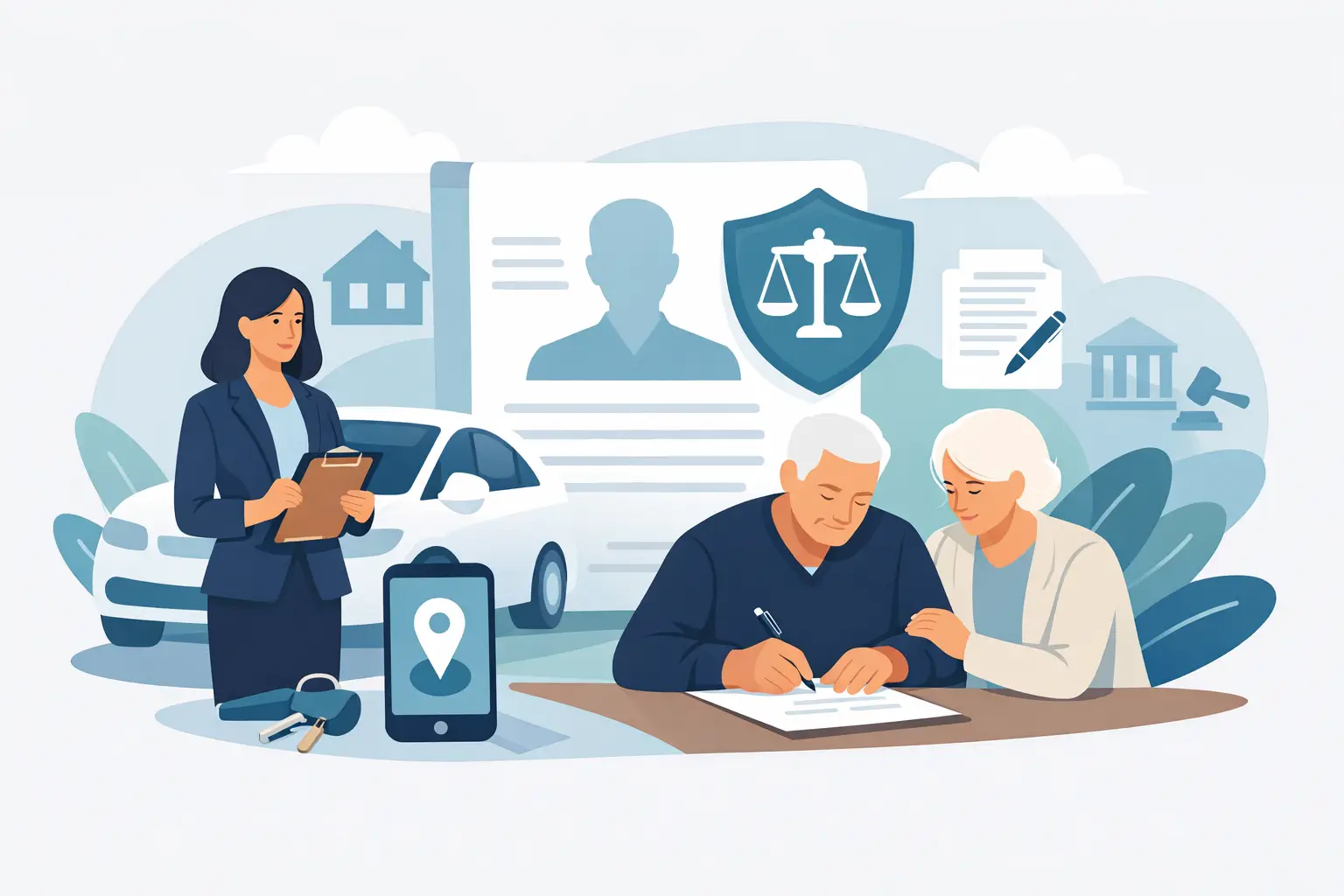
A power of attorney usually becomes urgent at the worst possible time. A parent is in the hospital. A real estate closing cannot wait. A family member needs help managing finances before a medical procedure. In moments like these, a mobile notary for power of attorney documents can save time, reduce stress, and help keep everything moving.
Power of attorney paperwork is too important to handle casually. If the document is signed incorrectly, notarized improperly, or completed before everyone is ready, it can create delays when you need it most. That is why many people choose a mobile notary instead of trying to fit a critical signing into a busy day or arrange transportation for someone who cannot easily travel.
Why a mobile notary for power of attorney makes sense
A power of attorney gives one person legal authority to act for another in certain matters. Depending on the document, that authority may cover finances, property, healthcare decisions, or a limited task for a specific period of time. Because the stakes are high, the signing process needs to be handled carefully.
The main advantage of using a mobile notary is convenience, but convenience is only part of the value. A mobile notary comes to the signer, which can be especially helpful when the signer is elderly, recovering from surgery, living in assisted care, working under a tight deadline, or simply unable to leave home easily. Instead of adding another errand to an already difficult situation, the notarization happens where it is most practical.
There is also a reliability factor. With a power of attorney, details matter. Names must match identification, the signer must appear willing and aware, and the notarial certificate must be completed properly. A professional mobile notary helps make sure the appointment is handled with the right level of care.
When people usually need this service
Some power of attorney signings are planned well in advance, but many are not. Families often realize they need the document when a health issue changes suddenly or when someone needs another person to step in and manage banking, insurance, or property matters.
A common situation is a hospital or rehab setting. The signer may still be fully alert and able to sign, but travel is unrealistic. Another common need comes up during estate planning, when a family wants to get documents completed together, including wills, trusts, and powers of attorney, without making multiple office visits.
Business and real estate needs can also create urgency. Someone may need to authorize another person to sign documents during travel, military deployment, relocation, or a time-sensitive transaction. In those cases, bringing the notary to the home or office keeps the process efficient.
What a mobile notary can and cannot do
This part matters. A notary verifies identity, witnesses the signing, and completes the notarial act required by the document. A notary does not decide whether your power of attorney is the right form, does not explain legal consequences, and does not choose what type of power of attorney you need unless also licensed to practice law.
That distinction protects everyone involved. If you already have your document prepared, a mobile notary can meet you at a convenient location and notarize it correctly. If you are unsure whether you need a durable power of attorney, limited power of attorney, or healthcare power of attorney, that is a legal question and should be directed to an attorney or the document preparer.
The practical takeaway is simple: have the right document ready before the appointment. If you are uncertain about the form itself, get that cleared up first. It is much better to pause than to notarize a document that is incomplete or not the one you intended to sign.
What to have ready before the appointment
A smooth appointment starts before the notary arrives. The signer should have an acceptable, unexpired photo ID available unless state law allows another approved identification method. The name on the ID should reasonably match the name on the document.
The document should be complete, with no blank spaces that could create confusion later. Do not sign it ahead of time unless you have been specifically instructed to do so and the notarization does not require the notary to witness the signature. In many cases, the signer should wait until the notary is present.
It also helps to confirm whether witnesses are required. Some power of attorney documents need witnesses in addition to notarization, and requirements vary depending on the document type and where it will be used. A notary may be able to explain whether witnesses are commonly required for the notarization process, but cannot give legal advice about whether your particular form is sufficient.
Capacity and willingness are a big part of the process
With power of attorney documents, one issue comes up more than people expect: whether the signer has the mental capacity to sign. A notary must be satisfied that the signer understands what they are signing and is acting willingly.
This is especially important in hospitals, nursing facilities, and family care situations. If a signer is heavily medicated, confused, asleep, or being pressured by someone else in the room, the notarization may need to be delayed or refused. That can be frustrating for family members, but it is a necessary safeguard.
The best appointments happen when the signer is alert, calm, and able to communicate clearly. If capacity may be an issue, try to schedule the signing for a time of day when the signer is at their best. Fewer people in the room can also help keep the interaction clear and comfortable.
Choosing the right setting for a power of attorney signing
A home is often the easiest location because it gives the signer privacy and time. An office can work well when the document is part of a business or financial matter. Hospitals and care facilities are common too, although they can be less predictable because of visiting hours, room changes, staff activity, or changes in the signer’s condition.
This is where an experienced mobile service makes a difference. Flexibility matters. A good mobile notary knows how to work professionally in different environments while staying focused on identification, awareness, and accurate completion of the notarization.
For clients in Buford and surrounding communities, that local flexibility can make a stressful situation feel much more manageable. Pete’s Mobile Notary & Services is often called when timing, travel, or health issues make a standard office visit impractical.
Common mistakes that cause delays
Most problems with power of attorney notarizations are preventable. The biggest one is waiting until the last minute and then discovering the signer does not have ID, the document is incomplete, or witnesses are missing. Another common issue is assuming any family member can simply sign on behalf of someone else. Unless the document and legal authority are already in place, that is not how the process works.
People also run into trouble when they ask the notary for legal guidance during the appointment. That can slow everything down because the notary must stay within legal limits. If you think you may need document advice, get it before the signing day.
There is also the human factor. Emotional family situations can make a straightforward appointment harder than expected. If several relatives disagree about what should happen, the notary may not be able to proceed until things are clear and the signer can act freely.
How to make the appointment faster and less stressful
If you need a mobile notary for power of attorney paperwork, a little preparation goes a long way. Confirm the document is ready. Make sure the signer has valid ID. Ask in advance about witnesses if you are unsure. Choose a quiet location and a time when the signer is most alert.
If the signing will take place in a hospital or care facility, have room information ready and let the notary know about any access instructions. If the signer has limited mobility, set up a comfortable place to review and sign the document. These details may seem small, but they can make the appointment much smoother.
A power of attorney is often signed during moments when families are already carrying a lot. The right notary service does more than stamp a document. It brings professionalism, patience, and order to a process that needs to be handled correctly the first time. When the paperwork matters and time is tight, bringing the notary to you is often the simplest way to keep one more problem off your plate.