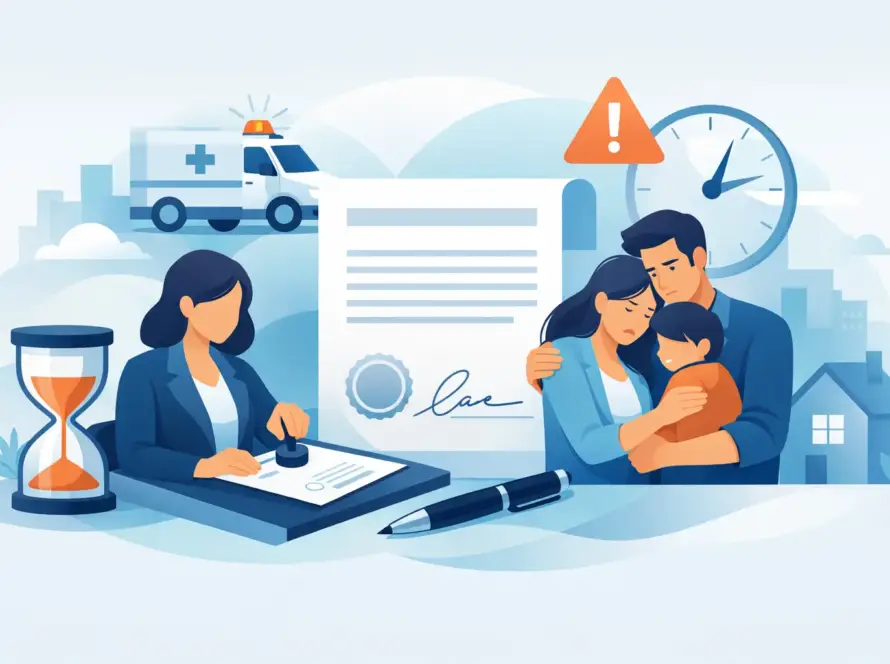
A birth certificate for dual citizenship, a power of attorney for family overseas, adoption paperwork, school records, corporate filings – these are the moments when apostille vs notarization explained becomes more than a search term. It becomes the difference between a document being accepted or rejected, often on a deadline.
People often use the two terms as if they mean the same thing. They do not. A notarization verifies the identity of the signer and the signing act. An apostille certifies the authenticity of a public official’s signature or seal so the document can be recognized in another country that is part of the Hague Apostille Convention. One works at the signing level. The other works at the document authentication level.
That distinction matters because getting only a notarization when an apostille is required can stall a real estate matter, delay travel plans, or force you to redo paperwork. On the other hand, asking for an apostille on a document that is not prepared correctly can waste time and money.
Apostille vs notarization explained in simple terms
The easiest way to think about notarization is this: a notary public verifies that the right person appeared, was identified properly, and signed willingly. Depending on the document, the notary may also administer an oath or witness an acknowledgment. The notary is not validating the truth of the document’s contents, and the notary is not turning the document into an internationally accepted record just by stamping it.
An apostille is different. It is a certificate issued by a competent government authority that confirms a signature, seal, or stamp on a public document is genuine. That certificate allows the document to be used in another Hague Convention country without going through a more complicated chain of authentication.
In plain English, notarization helps prove the signing was handled properly. An apostille helps prove the notarized or official document is authentic for international use.
When notarization is enough
For many everyday needs inside the United States, notarization is the finish line. If you are signing a power of attorney, certain real estate documents, an affidavit, or estate paperwork for domestic use, a notary may be all you need. The purpose is to deter fraud, confirm identity, and make the document legally reliable for the receiving party.
This is where many clients feel relieved. If your document is staying within the U.S. and the receiving agency, court, lender, or title company only requires notarization, there is no reason to add an apostille step.
That said, the details still matter. Some documents require a specific notarial act. Others may need witnesses. Some agencies reject documents over small errors like missing venue information, improper certificates, or mismatched names. Fast service helps, but accuracy is what keeps you from having to start over.
When an apostille is required
An apostille usually comes into play when a U.S. document will be presented in another country that participates in the Hague Apostille Convention. Common examples include marriage abroad, international adoptions, overseas property transactions, foreign school enrollment, work visas, dual citizenship matters, and powers of attorney used outside the U.S.
Some documents are already public records, such as certified birth certificates, marriage certificates, or court-issued records. Others are privately signed documents that may first need to be notarized before they can be submitted for apostille processing. That is where confusion often starts. People hear that they need an apostille and assume that means any signed paper can simply be stamped and sent off. Usually, there is a required preparation step first.
If the destination country is not part of the Hague Apostille Convention, the process may involve authentication rather than an apostille. That is a separate track, and it is one reason it helps to confirm the receiving country’s exact requirement before signing anything.
Why the order matters
The most common mistake is getting the right service in the wrong order. If a private document needs notarization before it can receive an apostille, the notarial certificate must be completed correctly first. If that certificate is incomplete, uses the wrong wording, or has a seal issue, the apostille request may be rejected.
Another mistake is notarizing a document that should have been obtained as a certified copy from the issuing authority. For example, a photocopy of a birth certificate is not the same as a certified birth certificate. If a country requires an apostilled vital record, you typically need the proper certified copy from the state or county source before the apostille step can happen.
This is why speed and convenience only help when paired with document review and careful handling. The goal is not just to get a stamp. The goal is to get an acceptable document.
Documents that often cause confusion
Powers of attorney are a frequent example. If a power of attorney will be used overseas, the recipient may require both notarization and apostille. The notary handles the execution of the document. The apostille comes later through the proper issuing authority.
School transcripts and diplomas can also be tricky. Some schools issue documents directly for authentication, while others require notarized statements from school officials. Corporate documents, articles of incorporation, and certificates of good standing may follow still another path depending on whether they are state-issued records or privately prepared papers.
Wills and trust documents raise another point. A notarized signature does not automatically make every estate document ready for international use. If the document is intended for a foreign institution or court, the receiving party’s instructions should be checked carefully before execution.
Apostille vs notarization explained for Georgia documents
For Georgia residents, the process depends on the type of document and who issued it. A Georgia notarized document may be eligible for apostille processing if it meets state requirements. A Georgia-issued vital record or court document may follow a different submission path than a privately signed paper.
The practical takeaway is simple: before your appointment, know where the document is going, what country will receive it, and whether the receiving party asked for notarization, apostille, or both. If you are not sure, ask for the exact written requirement from the agency, employer, school, attorney, or foreign authority receiving the document.
That one step can save days of back-and-forth.
How to avoid delays and rejections
The safest approach is to start with three questions. Where will this document be used? Is the destination country a Hague Convention country? Is the document a certified public record or a privately signed document?
Once those answers are clear, the path usually becomes easier to identify. If it is a privately signed document for international use, proper notarization may be the first step. If it is a public record, you may need a certified copy from the issuing office rather than a notary stamp on a copy you already have.
You should also check names, dates, and document completeness before signing. Agencies often reject documents for reasons that feel minor but are treated as mandatory. A missing page, blank field, altered date, or illegible seal can all create delays.
For time-sensitive matters, it helps to work with a service that understands how notarization fits into the larger process instead of treating every document the same. Pete’s Mobile Notary & Services is often called when clients need that kind of practical guidance, especially when deadlines, hospital visits, real estate schedules, or family matters leave little room for mistakes.
The real difference comes down to purpose
If you remember one thing, remember this: notarization verifies the signer and the act of signing. An apostille verifies the official signature or seal on the document so it can be recognized abroad in participating countries.
Neither one is better than the other. They serve different purposes. Sometimes you need only one. Sometimes you need both. And sometimes the bigger issue is not which service you need, but whether the document was prepared correctly before either step begins.
When paperwork carries legal, financial, or family consequences, clarity matters more than guesswork. A few minutes spent confirming the requirement upfront can spare you a rejected filing, a missed closing, or a document that arrives overseas unusable when you need it most.