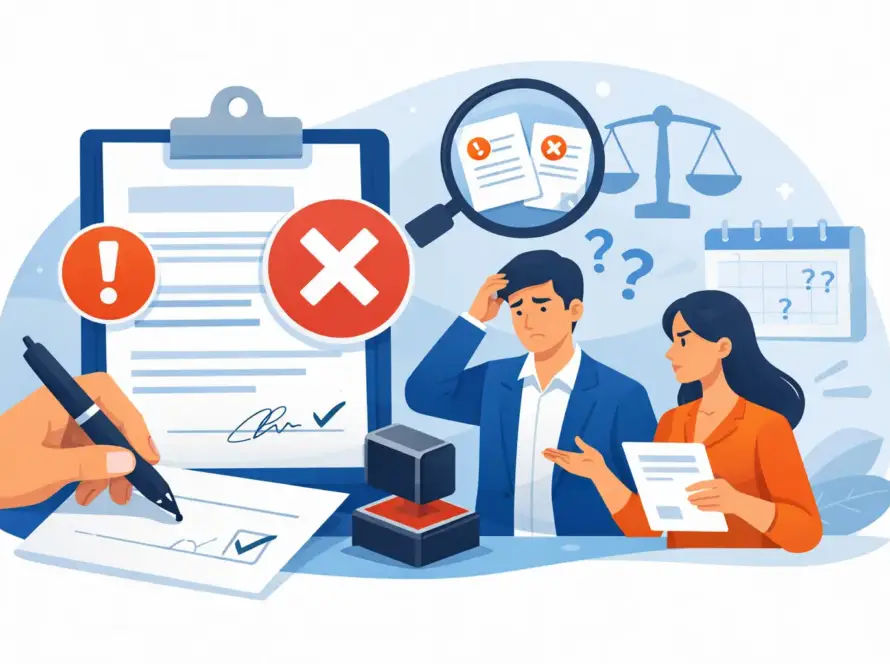
A trust signing is not the time to guess whether a notary, witnesses, or a particular certificate is needed. One missed signature or incomplete notarial block can create avoidable delays when your family needs the document most. Knowing how to notarize trust documents starts with understanding what is being signed, who must be present, and what your state requires.
Trust documents are often part of a larger estate plan that may also include a will, power of attorney, health care directive, deed, or beneficiary paperwork. Each document can have different signing requirements. A prepared notary helps the appointment run smoothly, but the attorney who drafted the estate plan is the right person to confirm the legal execution requirements for your specific documents.
Do Trust Documents Need to Be Notarized?
It depends on the document and the purpose it serves. A revocable living trust may be notarized to help establish that the signer executed it voluntarily and to make it more readily accepted by banks, title companies, financial institutions, and other parties. In many cases, the trust itself includes a notarial certificate that clearly signals notarization is expected.
Related documents may have separate rules. For example, a deed transferring property into a trust generally has its own recording and notarization requirements. A certification of trust, used to verify the trustee’s authority without sharing the full trust, may also need notarization depending on the institution requesting it. Amendments, restatements, assignments, and trustee acceptance forms should be reviewed individually rather than treated as one package with identical requirements.
Do not assume that notarizing a signature makes every provision legally valid. A notary verifies identity, willingness, and awareness during the signing. A notary does not interpret trust language, advise which estate-planning option to choose, or determine whether a document meets every legal requirement.
How to Notarize Trust Documents Step by Step
The most reliable approach is to prepare the entire signing package before the notary arrives. That protects your privacy, saves time, and reduces the risk of having to schedule a second appointment.
1. Review the documents before the appointment
Read the signing instructions from your attorney or estate-planning provider. Look for signature lines, witness lines, notarial certificates, initials, exhibits, schedules, and attachment pages. Confirm whether the trustmaker, trustee, co-trustee, or another person must sign.
Do not sign ahead of time if the document requires you to sign in front of the notary. If you already signed a document, do not backdate it or alter the date to match the appointment. Tell the notary before the session begins so the correct next step can be identified.
2. Confirm whether witnesses are required
Not every trust document requires witnesses, but some estate-planning documents do. The answer may depend on the document type, the state where it will be used, and the instructions from the attorney who prepared it.
If witnesses are needed, make sure they are available for the full signing process. They should be adults who meet the document’s requirements and are not disqualified under the applicable rules. When there is any uncertainty about who may serve as a witness, get direction from the drafting attorney before the appointment. Replacing witnesses after the fact can be much harder than arranging the right people at the start.
3. Bring acceptable, unexpired identification
The signer must personally appear before the notary and provide satisfactory evidence of identity. A current government-issued photo ID, such as a driver’s license, state ID, passport, or military ID, is commonly used. The name on the ID should reasonably match the name printed on the document.
If a name has changed because of marriage, divorce, or another reason, do not wait until the appointment to address the difference. Have supporting documentation available if appropriate, and ask the attorney whether the trust should use the current legal name, a former name, or both. A small inconsistency can lead a bank or title company to ask questions later.
4. Make sure the signer is willing and aware
The notary must be satisfied that the signer understands the general nature of the act and is signing voluntarily. This is especially significant for trust documents, which are often signed during major family transitions, illness, or end-of-life planning.
No one should pressure, coach, or answer for the signer. If a family member is heavily involved in arranging the appointment, give the signer space to speak directly with the notary. A quiet setting, clear communication, and a calm pace help protect everyone involved.
If the signer cannot communicate or does not appear aware of what is being signed, the notarization may need to be postponed. That can feel inconvenient, but it is a safeguard against a much more serious dispute later.
5. Sign in the correct places and complete the certificate
The signer should follow the document’s signature instructions exactly. The notary will complete the applicable notarial certificate, including the venue, date, signer information, notarial act, signature, seal, and commission details as required.
Avoid filling in blanks after the notarization. If a document has material blank spaces, such as the trust name, date, trustee name, or property description, have those items completed before signing unless the drafting attorney gives different instructions. A document that looks incomplete may be rejected by the party that needs to rely on it.
6. Check the package before anyone leaves
Before the appointment ends, review every page that requires a signature, initial, witness signature, date, or notarization. This is not legal review. It is a practical completeness check that can catch a skipped signature line or an unsigned acknowledgment page while all required people are still present.
For estate-planning packages, it is wise to organize originals, copies, and any instructions for storing them. Keep the signed original in a secure location known to the trustee or another trusted person. Financial institutions and title professionals may ask to see an original or a properly prepared certification of trust, so avoid separating signature pages from the document they belong to.
Common Trust Signing Mistakes to Avoid
The most common mistake is assuming every paper in the estate-planning folder should be notarized the same way. A trust, deed, power of attorney, will, and medical directive may each call for a different process. Follow the directions specific to each document.
Another problem is scheduling a notary before the documents are final. If your attorney is still revising trustee names, distribution terms, or property information, wait until you have the completed version. Handwritten corrections after a signing can create questions about whether the changes were authorized.
Timing also matters. If a trust will be used in a real estate closing, business transaction, or bank matter, schedule early enough to resolve questions before the deadline. Mobile notarization can be especially helpful when a signer is at home, in a hospital, at work, or unable to travel easily, but the documents and required signers still need to be ready.
When a Mobile Notary Can Help
Trust signings often involve multiple people, sensitive family circumstances, and documents that should not be carried from office to office. A mobile appointment brings a professional notary to an agreed location and gives everyone a more comfortable setting to complete the signing carefully.
For clients in Buford and nearby communities, Pete’s Mobile Notary & Services can help coordinate a convenient appointment for trust-related documents, including homes, offices, hospitals, and other appropriate locations. Bring the complete documents, valid identification, and any required witnesses. If you are unsure about legal instructions, confirm them with your estate-planning attorney before scheduling.
A properly handled trust signing is less about rushing through paperwork and more about giving a meaningful legal decision the attention it deserves. Prepare the documents, gather the right people, and choose a setting where the signer can proceed confidently and without pressure.