A new hire is ready to start, HR needs Section 2 completed, and nobody has time for a last-minute paperwork problem. That is usually when people start searching for an i-9 verification notary. The catch is that the term is common, but it can also be misleading if you do not know what role the person is actually filling.
For employers and employees, I-9 verification is less about notarization and more about getting identity and work authorization documents reviewed correctly and on time. If that happens late, or if the form is completed the wrong way, it can create avoidable compliance issues. When the employee is remote, traveling, or unable to get to the employer’s office, having a qualified mobile professional meet them in person can keep the hiring process moving without added stress.
What an i-9 verification notary actually does
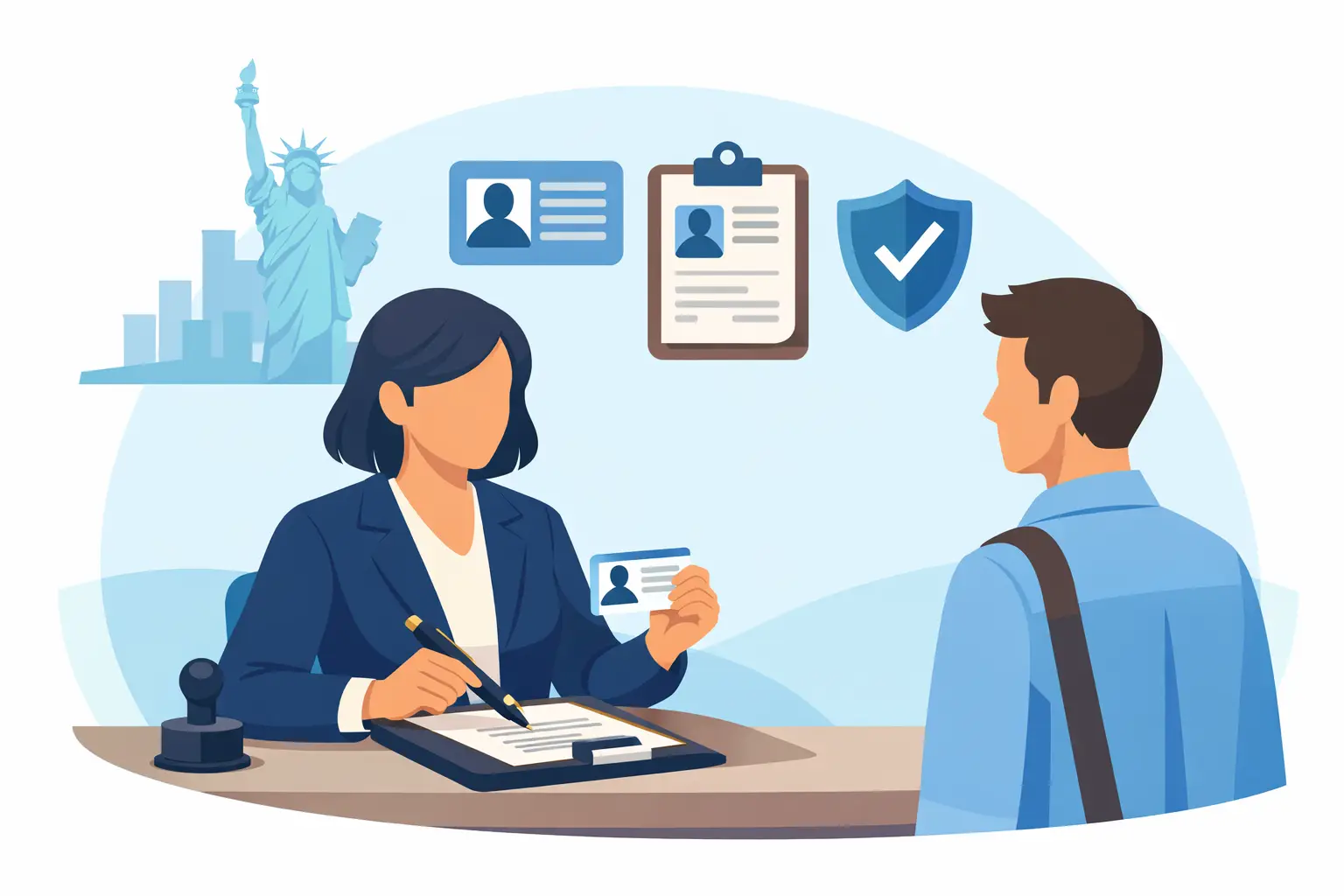
In many cases, an i-9 verification notary is asked to act as an authorized representative for the employer. That means the person meets with the employee, reviews the original identification documents the employee presents, and completes the employer’s portion of Form I-9 based on what they physically examined.
This is where people often get confused. Form I-9 itself is not a notarized document. The person handling it is usually not placing a notarial seal on the form just because they are a notary. They are performing a document inspection and identity verification task on behalf of the employer, following the employer’s instructions.
That distinction matters. A notary’s standard duties and an authorized representative’s I-9 duties are not always the same thing. Some service providers handle I-9 appointments because they are experienced with identity checks, document handling, and in-person signings, but the I-9 role is separate from a traditional notarization.
Why employers use a mobile I-9 verification service
The most common reason is simple: convenience. Hiring does not always happen near the main office. An employee may live in another city, work from home, or need documents reviewed quickly before a start date. Instead of delaying onboarding, an employer can arrange for a qualified professional to meet the employee at home, at work, or another agreed location.
There is also a practical benefit for the employee. They do not have to guess how the process works or scramble to find someone willing to help at the last minute. A mobile appointment keeps the process direct and organized, especially when deadlines are tight.
For local businesses, hospitals, staffing teams, and small employers, this can be a major time-saver. It reduces back-and-forth, helps avoid incomplete forms, and gives the employee a clearer path to finishing onboarding.
What happens during the appointment
The appointment is usually straightforward. The employee brings the original, acceptable documents from the Form I-9 list of acceptable documents. The representative reviews those documents in person to confirm they appear reasonably genuine and relate to the employee presenting them.
Then Section 2 of the form is completed using the document details. Depending on the employer’s process, the representative may fill out the form on paper, use the employer’s digital system, or provide the needed information for the employer to enter. What matters most is accuracy. A small mistake in document numbers, issuing authority, or dates can lead to delays or corrections later.
The employee should not bring copies unless the employer specifically says otherwise, because I-9 review generally requires the original documents. If the documents are expired or do not meet the I-9 requirements, the appointment may not be completed successfully, which is why it helps to confirm the acceptable documents ahead of time.
I-9 verification notary or authorized representative?
Here is the plain answer: usually, authorized representative is the more accurate term.
People still search for i-9 verification notary because notaries are commonly known, easy to find, and often available for mobile appointments. But for Form I-9, the key issue is whether the employer authorizes that person to inspect documents and complete Section 2. The notary title alone does not create special authority under federal I-9 rules.
That is one reason experience matters. The person handling the appointment should understand that they are not simply notarizing a signature. They need to follow the employer’s instructions carefully, review the correct documents, and complete the form without adding unnecessary notarial language or seals unless a separate notarization is actually required for a different document.
Common mistakes that cause delays
Most I-9 problems are not dramatic. They are small, preventable errors that become a headache later.
One common issue is bringing the wrong documents. Employees sometimes assume a driver’s license alone is enough, or they bring copies instead of originals. Another issue is incomplete employer instructions. If the employer does not clearly explain how Section 2 should be completed, the representative may have to pause and wait for clarification.
There are also timing problems. Form I-9 has strict completion deadlines tied to the employee’s start of work. Waiting too long to schedule the appointment can turn a simple verification into an urgent scramble.
A more technical mistake happens when someone treats the form like a standard notarization. Adding a seal where it does not belong, completing a certificate that was not requested, or signing in the wrong capacity can create confusion instead of solving it.
How to prepare for an I-9 appointment
A little preparation makes the process much smoother. The employee should confirm which documents they will bring and make sure they are original, unexpired when required, and available at the appointment. They should also have the employer’s instructions ready, especially if the employer uses a specific portal or asks for certain sections to be handled in a particular way.
Employers should give clear directions before the meeting. That includes the correct version of the form, any company-specific steps, the employee’s start date, and contact information in case a question comes up during the appointment. If the employer wants the representative to return the form in a certain format or by a certain deadline, that should be stated upfront.
When everyone is prepared, the appointment is usually quick. The delays tend to happen before the meeting, not during it.
When a mobile service makes the most sense
A mobile I-9 service is especially useful when the employee cannot easily travel, when the employer does not have a nearby office, or when timing is tight. It also helps in situations where convenience matters for practical reasons, such as an employee with a demanding work schedule, a family caregiver, or someone recovering at home.
For businesses in and around Buford, having a mobile professional come directly to the employee can remove a lot of friction from the hiring process. That is particularly helpful for companies trying to onboard quickly without sacrificing accuracy.
Pete’s Mobile Notary & Services handles these appointments with the same focus clients expect from any time-sensitive document service: clear communication, punctuality, and careful attention to detail.
Choosing the right person for I-9 verification
Not every available notary is the right fit for I-9 work. The better question is whether the person understands the assignment, follows instructions well, and shows up prepared and on time. Reliability matters just as much as availability.
It also helps to choose someone who is used to working with important documents and dealing with clients who are under deadlines. I-9 verification sounds simple, and often it is, but only when the person handling it respects the details.
If you are an employer, look for someone who communicates clearly and can represent your process professionally in front of a new hire. If you are an employee, choose a service that can explain what to expect, what to bring, and what happens if something is missing.
An I-9 appointment should not feel complicated. With the right preparation and the right mobile professional, it becomes one more task checked off correctly and on time, which is exactly what most people need when work is about to begin.